

Hot flashes are one of the most disruptive symptoms many people experience during menopause or perimenopause.
Hot flashes can come on suddenly, leaving you flushed, sweaty and uncomfortable. For some, they are a mild annoyance. For others, they are intense enough to interfere with sleep, work or all sorts of other aspects of daily life.
While hormone therapy (aka HRT or hormone replacement therapy) is an option for some, many people seek natural alternatives. Homeopathy offers a gentle approach that addresses not just the hot flashes themselves but the overall hormonal and emotional balance of the person experiencing them. Alongside other natural strategies, homeopathy may offer gentle relief.
What Causes Hot Flashes?
Hot flashes are typically triggered by changes in hormone levels, particularly a drop in estrogen. This drop affects the body’s temperature regulation and can make you more sensitive to slight increases in heat. Stress, diet, alcohol and certain medications can also act as triggers.
These hot flashes often come in waves and may include sweating, rapid heartbeat, anxiety or a flushed face. Night sweats are hot flashes that occur during sleep and can disrupt rest and lead to fatigue.
Homeopathic Remedies for Hot Flashes
Homeopathy looks at the entire picture. That means your physical symptoms, emotional state, personality and other unique traits all influence remedy selection. Here are some of the most commonly used remedies for hot flashes.
This remedy is often indicated when hot flashes are intense, especially around the face and chest. There may be a feeling of constriction or tightness, such as around the neck or waist. Women who need Lachesis often feel worse after sleeping and may be talkative or emotionally expressive.
Sepia is frequently used during menopause, especially for those who feel worn out or emotionally flat. Hot flashes may be accompanied by irritability, a feeling of heaviness or chilliness after the flash. There is often a desire to be alone and a sense of detachment from loved ones.
This remedy is suited for sudden, intense heat with a red face and pounding heartbeat. It is often used for acute episodes where the flash comes on like a storm and then disappears just as quickly. Belladonna may also be helpful if hot flashes come with headaches or a throbbing sensation.
Sulphur may be used when the heat seems to rise from the chest upward. Flashes may be worse at night, especially in bed. People who need Sulphur often dislike warmth, may kick off blankets and feel better with fresh air. There may also be strong body odors or skin issues.
This remedy is helpful for sudden waves of heat that feel like pressure in the head or chest. It is often used for hot flashes that feel explosive or come with dizziness. Glonoinum is also helpful when heat is made worse by sun exposure.
Sanguinaria is often used when the heat rises suddenly to the face and ears, often with redness and a burning sensation. Flashes may be followed by headaches or fatigue. It is a good choice for women whose symptoms are aggravated by spicy foods or alcohol.
Other Natural Cooling Strategies
While homeopathy plays a central role, combining it with other natural approaches can enhance your results.
Stay Cool with Layers
Wearing breathable, layered clothing allows you to adjust quickly when a flash hits. Natural fabrics like cotton and linen help wick moisture away and allow air circulation.
Avoid Triggers
Common triggers include spicy food, caffeine, alcohol and stressful situations. Keep track of what seems to set off your symptoms so you can avoid or manage them better.
Focus on Hydration
Drinking enough water helps regulate your body temperature and prevents dehydration, which can make flashes worse. Cool water or herbal teas like sage and peppermint can be especially soothing.
Practice Stress Management
Stress is a major trigger for hot flashes. Mindfulness, gentle yoga, breathing exercises and time in nature can all help reduce stress levels. Even a few minutes of deep breathing can lower your nervous system’s response.
Keep Your Bedroom Cool
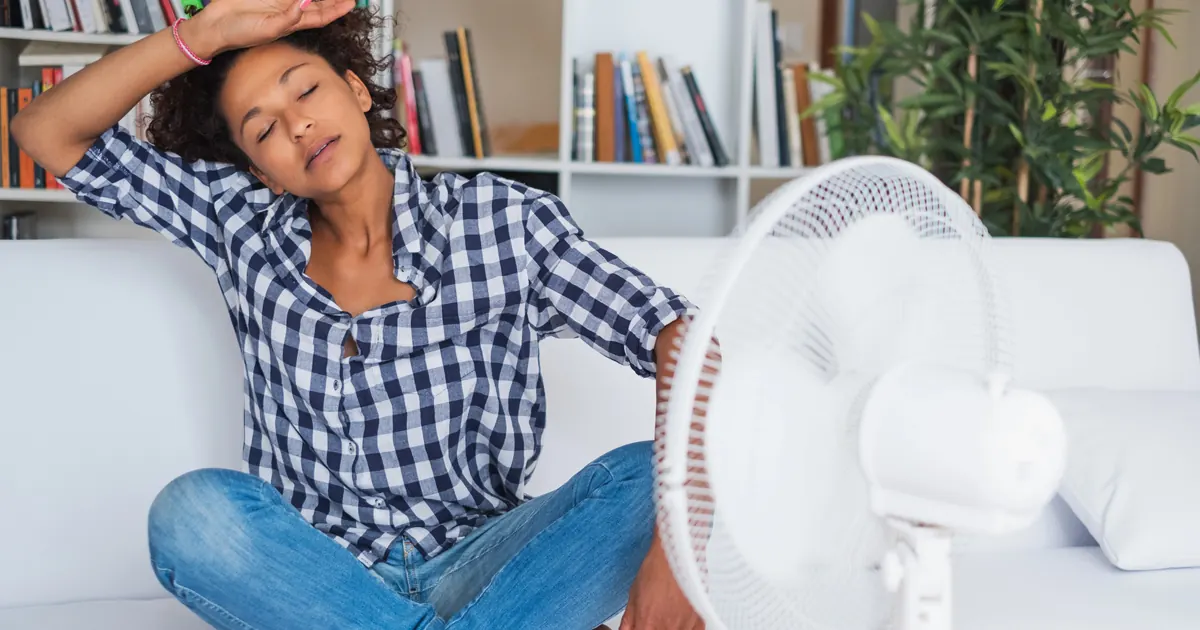
Night sweats can interrupt sleep and lead to fatigue. Use fans, open windows or cooling pillows to maintain a comfortable sleeping environment. Avoid heavy blankets and opt for lightweight bedding.
Exercise Gently
Regular movement supports hormonal balance and improves sleep, which can reduce the frequency and intensity of hot flashes. Walking, swimming or gentle strength training are good options. Avoid exercising in hot environments, as this can worsen symptoms.
When to See a Homeopath
If your symptoms are severe, persistent or impact your quality of life, it may be worth seeing a qualified homeopath.
A professional can assess your full symptom profile and recommend a constitutional remedy tailored to your needs. This kind of personalized treatment often goes beyond just managing hot flashes and can help with mood, energy and overall wellbeing.
Final Thoughts on Hot Flashes and Homeopathy
Hot flashes can be intense, frustrating and disruptive, but you are not powerless.
Natural approaches, particularly homeopathy, offer a safe and individualized way to cool down and regain control. Paired with mindful lifestyle choices, these approaches can significantly reduce both the frequency and severity of symptoms.
Healing takes time, and small changes often lead to big results. Start with a few remedies or strategies that resonate with you and build from there. The more in tune you are with your body’s signals, the more effective your path to relief will be.